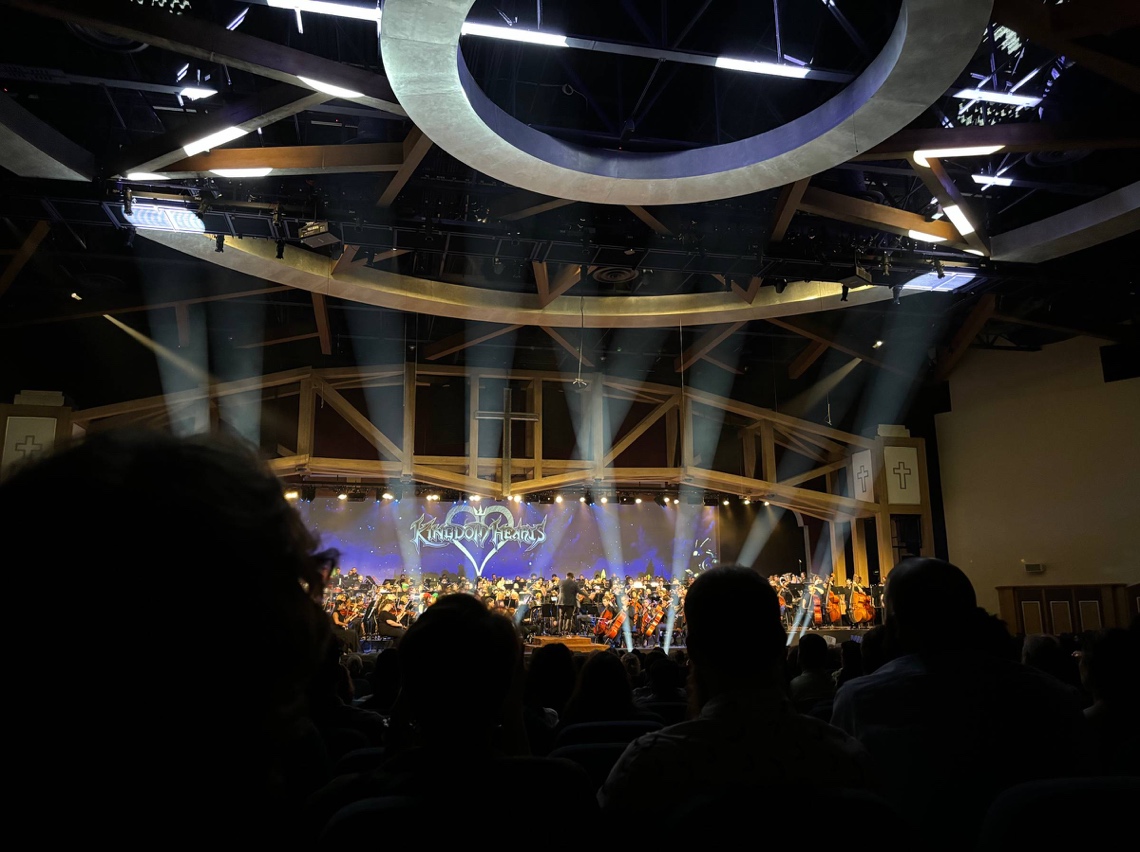

I have a profound love of music, especially opera and classical; it moves my soul. I have always been curious about what an orchestra conductor does. My uneducated mind thinks they are throwing their hands around aimlessly when they are responsible for the quality and flow of the music.
I took my fascination and questions with the conductor’s role to my dear friend, Lindsay, who has a Master of Arts in music with an emphasis in conducting. I asked her to explain the need for a conductor to me. She then explained that while the ensemble doesn’t need a conductor to perform, the music becomes more unified with one. A traditional orchestra has four main sections: Strings, Woodwinds, Brass, and Percussion. The conductor has what is called a “musical score.” While each instrument has its own music, the musical score shows every part for each instrument, giving the conductor the bigger picture of how all the parts fit together. Is it harmonious? Are the instruments playing too loudly, or do they need to play more to balance it out?
The conductor’s attitude is essential. They are usually the most visible and highest-paid, and they may get all the attention, which could create resentment or disconnection from the group. A great conductor does not dominate; they listen, sense, and guide. They respond in real time, adjusting to the field. When they lead with service to music and make it about the entire orchestra, they can transform many instruments into one cohesive living wave of sound.
As I sat with the inspiration, I realized that we are each a leader or conductor of our own lives, both professionally and personally.
What if you are the conductor, the CHAT methodology is the music score, and the four areas of the communication orchestra are Creative, Harmony, Action, and Template?
Conductors master the music score, which includes all four communication styles. They embrace the Creative communication style by seeing the big picture and studying all the different pieces. They embrace the Harmony communication style by bringing all the various instruments together. They use the Action communication style to bring emotion and passion to the piece. And of course, they also must embrace the Template communication style by following the sheet music. They flow in and out of each communication style, creating music to the ears of all whom they engage with.
What if we lead each conversation in service, listening in real time, and respond accordingly to the communication style we are addressing? What if we mastered the different communication styles to create cohesive, beautiful, meaningful connections with every conversation?
0 Comments